
Our Services
Keep your home cool and comfortable with fast, reliable air conditioning repairs and professional installations.
Air Conditioning
Heating
Prompt, professional heating repairs and installations to keep your home warm, safe, and energy-efficient.



Protect your HVAC system with annual or bi-annual maintenance to improve efficiency, prevent breakdowns & extend equipment life.
Indoor Air Quality
Improve your home's air quality with solutions that reduce allergens, dust, and airborne pollutants.
Maintenance
HVAC System Installation
When it’s time to replace your HVAC system, Summit Air & Heat makes the process simple and personalized. We take the time to evaluate your home’s size, layout, comfort needs, energy goals, and budget to recommend a system designed specifically for you.
Reliable Comfort, Built Around You
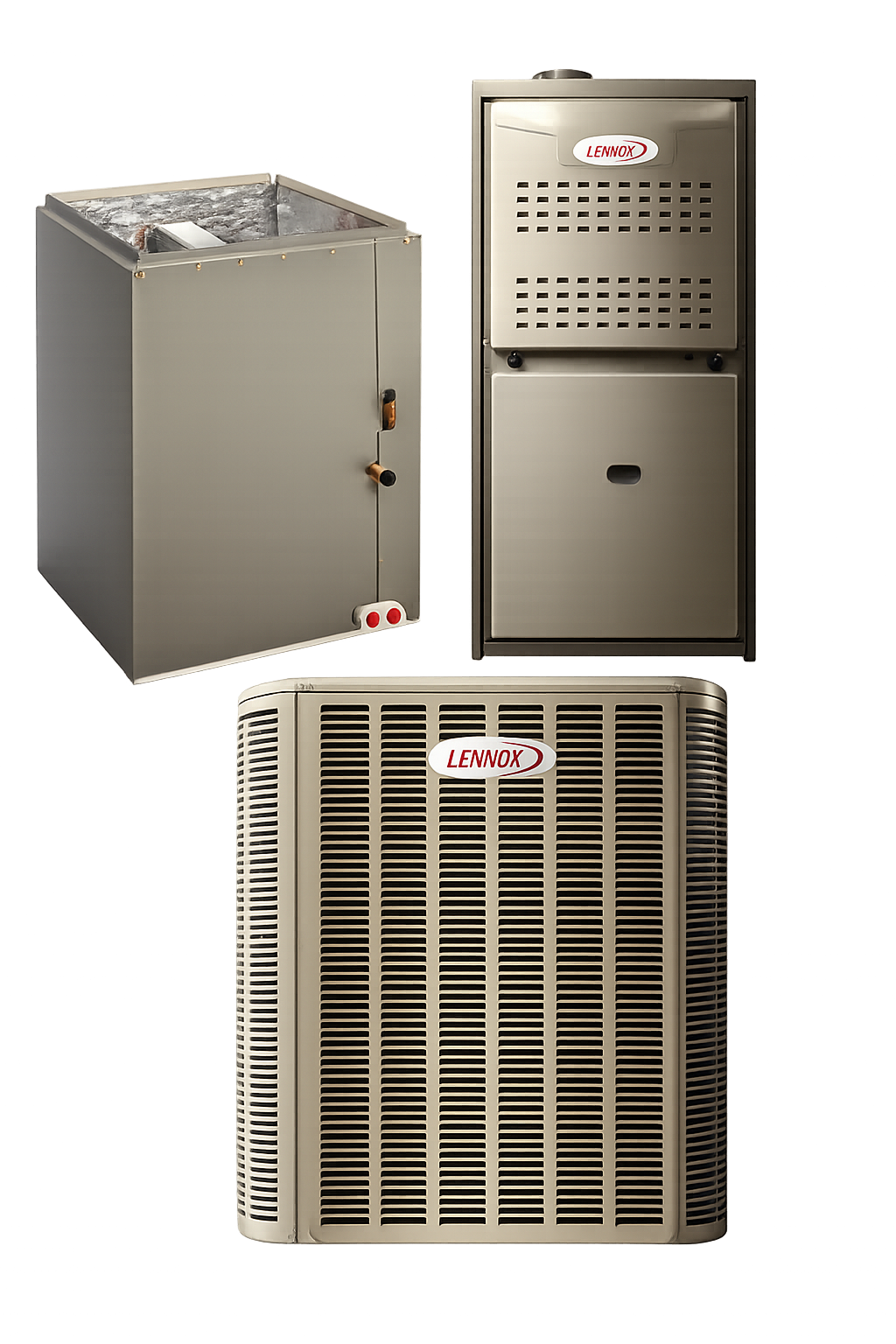
Call today and get a FREE estimate on equipment replacement!
Additional Services
-
Thermostat Replacement or Upgrade
Is your thermostat old, unreliable, or lacking smart features? Replacing or upgrading your thermostat can improve comfort, save energy, and give you better control over your home’s heating and cooling. Here’s what to consider and what to expect.
Why replace or upgrade?
Improved comfort: New thermostats provide more accurate temperature control and better scheduling, reducing hot or cold spots.
Energy savings: Programmable and smart thermostats can lower utility bills by optimizing heating and cooling based on your routine and local weather.
Remote control: Many modern thermostats let you control temperature from your phone, tablet, or voice assistant.
Compatibility with HVAC systems: New models support features like heat pumps, multi-stage systems, and zoning.
Reliability: Older thermostats can fail or misread temperatures, causing unnecessary system runtime and wear.
Types of thermostats
Manual (non-programmable): Simple dial or basic digital controls. Lowest cost but minimal energy-saving features.
Programmable: Lets you set daily or weekly schedules to automatically adjust temperature when you’re away or asleep.
Smart thermostats: Learn your habits, adjust automatically, integrate with home automation, provide energy reports, and allow remote control.
Wi‑Fi vs. non-Wi‑Fi: Wi‑Fi thermostats enable remote access and updates; non-Wi‑Fi are simpler and sometimes more private.
Key features to look for
Compatibility: Confirm compatibility with your HVAC system (gas, electric, heat pump, multi-stage).
Wiring: Check whether you have a C (common) wire. Many smart thermostats require a C wire or an adapter.
Zoning support: If your home has multiple zones, choose a thermostat or system that supports separate control.
Sensors: Some thermostats use remote or room sensors for better temperature balancing.
Integration: If you use smart home platforms (voice assistants, home hubs), check compatibility.
Energy reports and scheduling: Useful for monitoring and optimizing usage.
Geofencing & occupancy detection: Automatically adjusts when you leave or return.
Installation options
DIY: Many modern thermostats are designed for homeowner installation and come with step-by-step guides. Good if you’re comfortable with basic electrical work and have straightforward wiring.
Professional installation: Recommended when you have complex HVAC setups, no C wire, uncertain wiring, or you prefer the assurance of proper setup and system testing. Professionals can also program schedules, install sensors, and verify compatibility.
Cost considerations
Thermostat price: Basic programmable thermostats start low, while high-end smart models cost more.
Installation cost: Varies by system. Professional installs cost more but add value by ensuring compatibility and performance.
Long-term savings: Smart scheduling and better control often offset initial costs through reduced energy bills.
When to replace your thermostat
It’s 10+ years old.
It frequently loses power, displays errors, or fails to control temperature accurately.
You want remote control, energy tracking, or smart features.
You’ve upgraded your HVAC system to a heat pump or multi-stage system and need compatible controls.
Tips for choosing the right thermostat
List your must-have features (remote control, compatibility with voice assistant, sensors).
Check for C‑wire availability; if none, determine if the thermostat includes a power adapter or if a professional can run one.
If unsure, get a professional assessment to match thermostat capabilities to your HVAC system.
Need help deciding or installing? Contact Summit Air & Heat for a system compatibility check, recommendations, and professional installation. We’ll ensure your new thermostat is set up correctly and optimized for comfort and efficiency.
-
Keep your home comfortable, energy-efficient, and healthy with our professional insulation services. We offer two convenient options to fit your needs: full removal and installation, or a top-off to boost existing insulation. All work is performed by trained technicians using quality materials and best practices.
What we offer
Removal: Safe, thorough removal of old or damaged insulation down to the attic floor. We remove soiled, compressed, or contaminated insulation to prepare the space for proper treatment and fresh installation.
Seal gaps and cracks: Air leaks cut insulation performance. We locate and seal common leak areas — attic penetrations, rim joists, chase walls, HVAC and plumbing penetrations — to reduce drafts and energy loss.
Soffit baffles: We install soffit baffles (rafter vents) to maintain continuous attic ventilation. Baffles keep insulation from blocking airflow at the eaves so your attic stays properly ventilated and moisture buildup is minimized.
Attic sanitation: Before new insulation is installed we clean and sanitize the attic as needed, removing debris, addressing pest contamination, and treating mold or odors to create a healthy attic environment.
Insulation types:
Blown-in Fiberglass: Loose-fill formaldehyde-free fiberglass that fills cavities and conforms to irregular spaces for excellent thermal performance and sound reduction.
Spray foam (open-cell, 5.5"): Open-cell spray foam expands to seal gaps, provides superior air sealing and R-value per inch, and improves overall building envelope performance.
Upgrading to new insulation delivers immediate and long-term benefits for comfort, energy savings, and home value.
Lower energy bills: Modern insulation reduces heat transfer, so your HVAC system runs less to maintain set temperatures. That typically cuts heating and cooling costs by 10–30%, depending on your current insulation and climate.
Improved comfort: Consistent indoor temperatures, fewer drafts, and reduced cold spots make living spaces more comfortable year-round.
Quieter home: Insulation dampens airborne and impact sound—helpful for reducing noise from traffic, neighbors, or plumbing.
Better indoor air quality: Properly installed insulation along with air-sealing reduces infiltration of outdoor dust, pollen, and pollutants. This can help allergy and asthma sufferers.
Increased HVAC lifespan: When your system doesn’t have to work as hard to heat or cool the home, wear and tear decreases, potentially extending equipment life and reducing repair frequency.
Enhanced resale value: Energy-efficient upgrades like new insulation are attractive to buyers and can increase marketability and appraised value.
Environmental benefits: Using less energy reduces your household carbon footprint. Many insulation options also use recycled or low-impact materials.
Investing in new insulation is one of the most cost-effective ways to improve home comfort, reduce operating costs, protect the structure, and increase overall energy efficiency.
Next step Contact Summit Air & Heat for an on-site attic assessment and a clear recommendation: full removal and new insulation or a top-off to boost performance. We'll give you options, an upfront estimate, and explain the expected R-values and energy benefits for your home.
-
When it’s time to replace
Reduced airflow: Rooms that feel uneven, weak vents, or your system running longer than usual can mean leaks, blockages, or collapsed ductwork.
High energy bills: Damaged or poorly insulated ducts force your system to work harder. If heating/cooling costs climb without changes to usage, ducts may be the culprit.
Poor indoor air quality: Dust, mold spores, or persistent odors coming from vents indicate contaminants inside old ducts.
Visible damage or age: Rigid metal ducts with rust, flexible ducts with kinks, or systems older than 15–20 years often benefit from replacement.
Our Duct Options
Poly Flex Duct R8
Insulation: R8-rated insulation for better thermal performance than standard flex ducting, reducing heat gain/loss.
Energy savings: Improved insulation helps lower heating and cooling costs and reduces system runtime.
Flexibility: Easy to route through tight spaces and connect to existing systems, while providing a durable, long-lasting option.
Ideal for: Homes needing improved energy efficiency and more consistent comfort without major remodel work.
Antimicrobial Duct
Built-in protection: Inner liners treated with antimicrobial agents to resist mold, mildew, and bacterial growth.
Improved indoor air quality: Helps reduce microbial contamination circulating through your home — especially important for allergy sufferers or households with asthma.
Durable performance: Maintains cleaner duct interiors longer, reducing the need for frequent cleaning or costly mold remediation.
Ideal for: Homes with past moisture issues, high humidity, or occupants sensitive to allergens and microbes.
Why choose Summit Air & Heat
Professional assessment: We inspect airflow, insulation, and duct integrity to recommend the right solution for your home.
Proper installation: Our technicians ensure airtight connections, correct insulation, and optimal routing to maximize system efficiency.
Clear pricing and options: We’ll explain material differences and expected energy savings so you can choose what fits your priorities and budget.
Warranties and support: We stand behind our work and the products we install to give you peace of mind.
Next steps Schedule an inspection to get a tailored assessment and a no-pressure estimate. We’ll help you decide between Poly Flex Duct R8 and Antimicrobial Duct based on your home’s needs, budget, and indoor air quality goals.